Why the theme Tantrums makes a good book
An adventure that suits the child
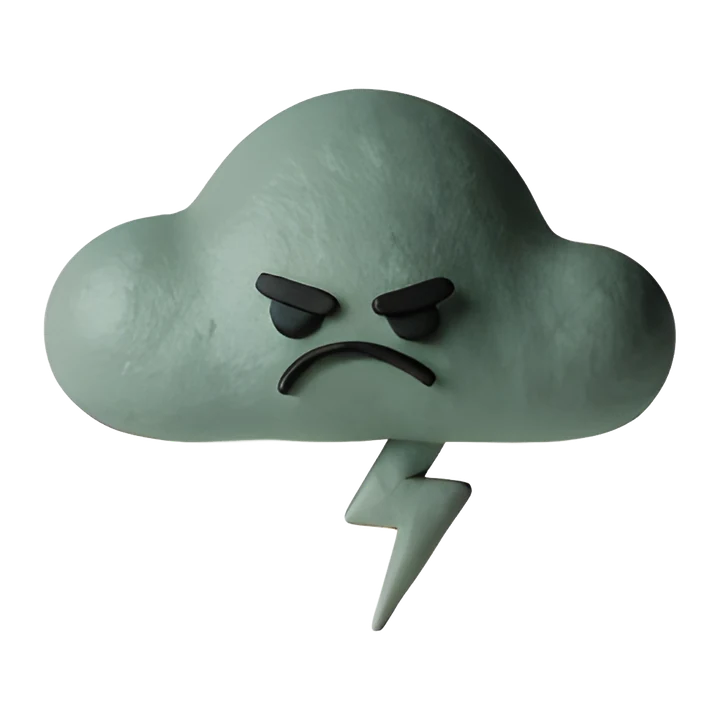
Sometimes the anger gets bigger than the child. It arrives fast, fills the whole body and cannot be talked away while it lasts. Afterwards your child may be tired, sad or surprised at themselves. In the story the hero gets furious, and that does not make the hero bad. The story shows that anger has a beginning, a peak and an end, and that someone stays close the whole time. It is a soothing picture to look at when you are not angry yourself.
The anger's path through the story
The book can begin on a morning when everything goes wrong: a sock rubs, the game is over, someone knocks down the tower you built. The hero gets to see their anger as a character, follow it as it grows and find out what makes it shrink: stamping on the ground, crawling under a blanket, sitting on someone's lap or blowing out air like a dragon. The last page can show the hero and the family together again, with the anger a tiny dot in the corner. Somewhere in the middle there can be a pause, when the hero and the anger sit side by side on the stairs and simply breathe.
Everyday life at home, without a lecture
Tell us about the moments that tend to be difficult at home, with a bit of humour if you like: the morning rush, getting dressed, when playtime has to end. It helps if the book doesn't single your child out but shows that everyone gets angry sometimes, grown-ups too. A parent in the story can get a little cross and say sorry afterwards. A little sister or the dog can be the one watching with wide eyes.
For the very youngest, short sound words work well: stamp, stamp, phew, and a cuddle. For pre-schoolers, a day that turns around is easy to follow, especially if the anger has a face. Six-year-olds can talk about what made them angry, and those aged ten and up can be given a story about speaking up without it turning into a storm. For more feelings than anger, there is the Handling big feelings theme.
Draw the anger
After reading, when everyone is calm, draw what the anger looks like. Is it red, spiky, as big as a house or as small as a pea? What is it called? Once it has a name and a shape, it is easier to talk about next time, and maybe even laugh at it a little together. Pin the drawing up where everyone can see it.
Your child is the hero
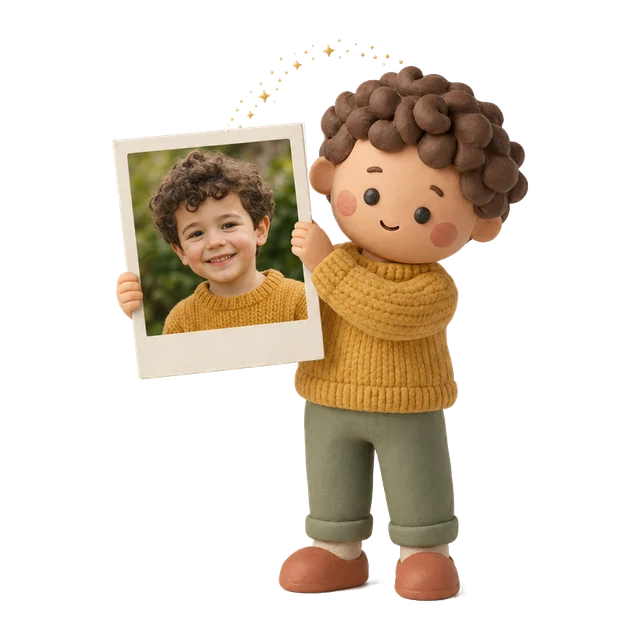
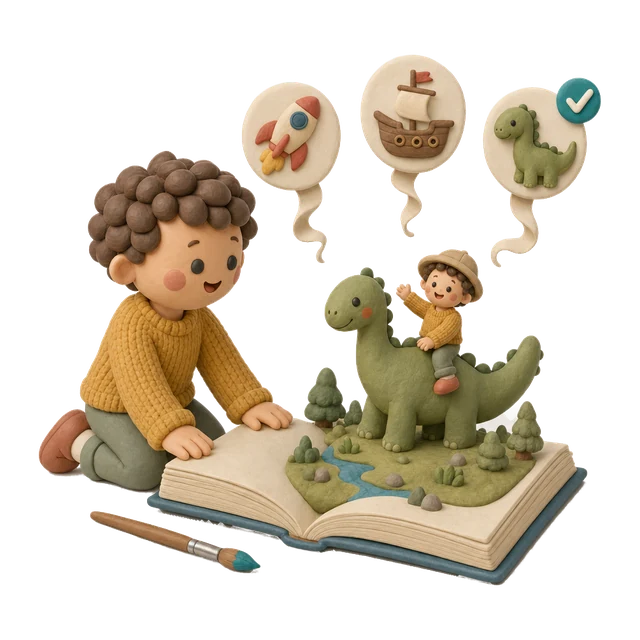
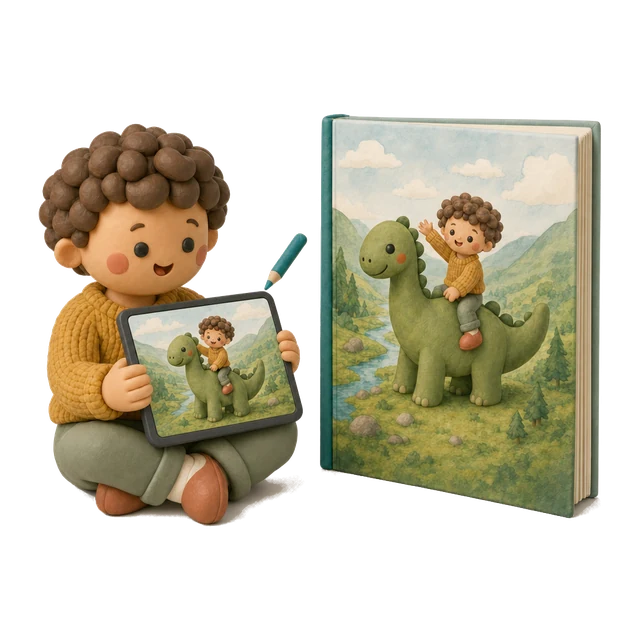
You fill in the child's name, age and what they like, and upload a photo. The story about big angry feelings is written for your very own child, and the thirteen pictures and the cover are drawn from the photo in the style you choose. Brothers and sisters, parents, grandparents or the pet can come along, up to five characters. If you would like to include something that has happened lately, a trip or a lost tooth, just write it and it is woven in.
From eBook to hardback book
The eBook is ready a few minutes after payment. Read it, change the text and ask for new pictures until you are happy. Then order it as an A4 hardback book, printed and sent to your door, or straight to the child as a gift. Do add the colouring pages. Start creating the book or read more about the prices. Would you like to see a finished book before you decide? Browse our example books.
How the story could begin
Your jumper won't go over your head. The sleeve has turned inside out, and you can't find the hole. You pull and pull. Your face gets hot, and somewhere deep down in your tummy something starts to bubble like a pan on the hob. Then your hat falls down behind the radiator, the bus goes in five minutes and someone has eaten the last banana. The pan boils over. You throw the jumper on the floor and scream so loudly it echoes down the stairs. Then something strange happens. The anger climbs out of you. It is standing there on the doormat, red and round and about as big as a postbox, stamping its little feet. It looks just as surprised as you are. “Hello,” it says. “Where are we?”
 Christmas
 Birthday
 Unicorns
 Dinosaurs
 Pirates
 Space
 Princes and princesses
 Fire brigade
 Sport
 Mermaids
 Superheroes
 Knights and dragons
 Construction vehicles
 Starting school
 A trip to the farm
 Jungle
 Fairies
 Treasure hunt
 Underwater
 A new baby
 Brushing teeth
 Confidence
 Bedtime story
 The enchanted forest
 Witches and spells
 Giants
 Gnomes
 Wizard school
 Camping
 Time travel
 Haunted house
 Police
 Racing
 Aeroplanes
 Secret mission
 The zoo
 Dressing up
 Building a tree house
 The amusement park
 A train journey
 A visit to the doctor
 The dentist
 The library
 The beach
 The forest
 Baking
 Music
 Dance
 Ancient Egypt
 The Stone Age
 The Vikings
 In the future
 The Middle Ages
 Candy land
 At the North Pole
 The savannah
 Easter
 Halloween
 Lucia
 Midsummer
 New Year
 Name day
 Eid
 Hanukkah
 Becoming a big brother or sister
 Father's Day
 Mother's Day
 Grandparents
 A new pet
 Moving house
 Sleepovers
 A wedding
 Holiday
 Learning to ride a bike
 Giving up the dummy
 Potty training
 Tidying up
 Eating well
 Learning to tell the time
 Learning to count
 The alphabet
 Seasons and weather
 Afraid of the dark
 Tantrums
 Feeling homesick
 Being teased
 Jealousy
 Feeling proud
 Handling big feelings
 Funny story
 Olivia
 Muhammad